Which office issues what
The Charlotte Department of Transportation, CDOT, issues permits for street closings and for events held in the city's right of way, which means streets and sidewalks. Its event permits cover parades, runs, walks, festivals and other public events. The City also issues beer and wine permits for community events on closed streets and handles decorative banners. Alcohol permits for private events such as weddings come from the North Carolina Alcohol Beverage Commission in Raleigh.
One rule shapes everything else: CDOT does not issue permits for events on private property. If your event stays inside a venue or yard, no street permit applies, though the tent rules still might.
The application for events, parades and festivals
CDOT's main form is the Application for Events, Parades and Festivals. An application for a public assembly or parade permit must be made at least 30 days before the event begins. You register on the City's permit site before applying, and the permit fee is due with the application and is not refundable.
Insurance comes next. The City requires commercial general liability coverage of not less than $1 million for bodily injury and property damage, per occurrence and in the aggregate. The certificate must name the City of Charlotte, its employees, officers and agents as an additional insured. If liquor is involved, liquor liability coverage of $1 million per occurrence is required, and a beer and wine permit cannot be approved without that certificate. Because of the size of these requirements, most applications are for major events.
Uptown events also use the Street Use and Event Notice, which the City lists with its Uptown street use and event documents. Ask CDOT whether your date and route need it.
Neighborhood block parties
A block party follows a separate, resident-led process. Plan at least 30 days ahead, read the City's Neighborhood Block Closing Regulations and confirm your location qualifies. Submit the request through the City's Cityworks portal, then submit the block party petition within 3 days, or the request is canceled.
Collect signatures
The petition needs signatures from 51 percent of the residents on the affected portion of the street.
Mark the closure
A closure runs from intersection to intersection, with a cross street at each end.
Supply barricades
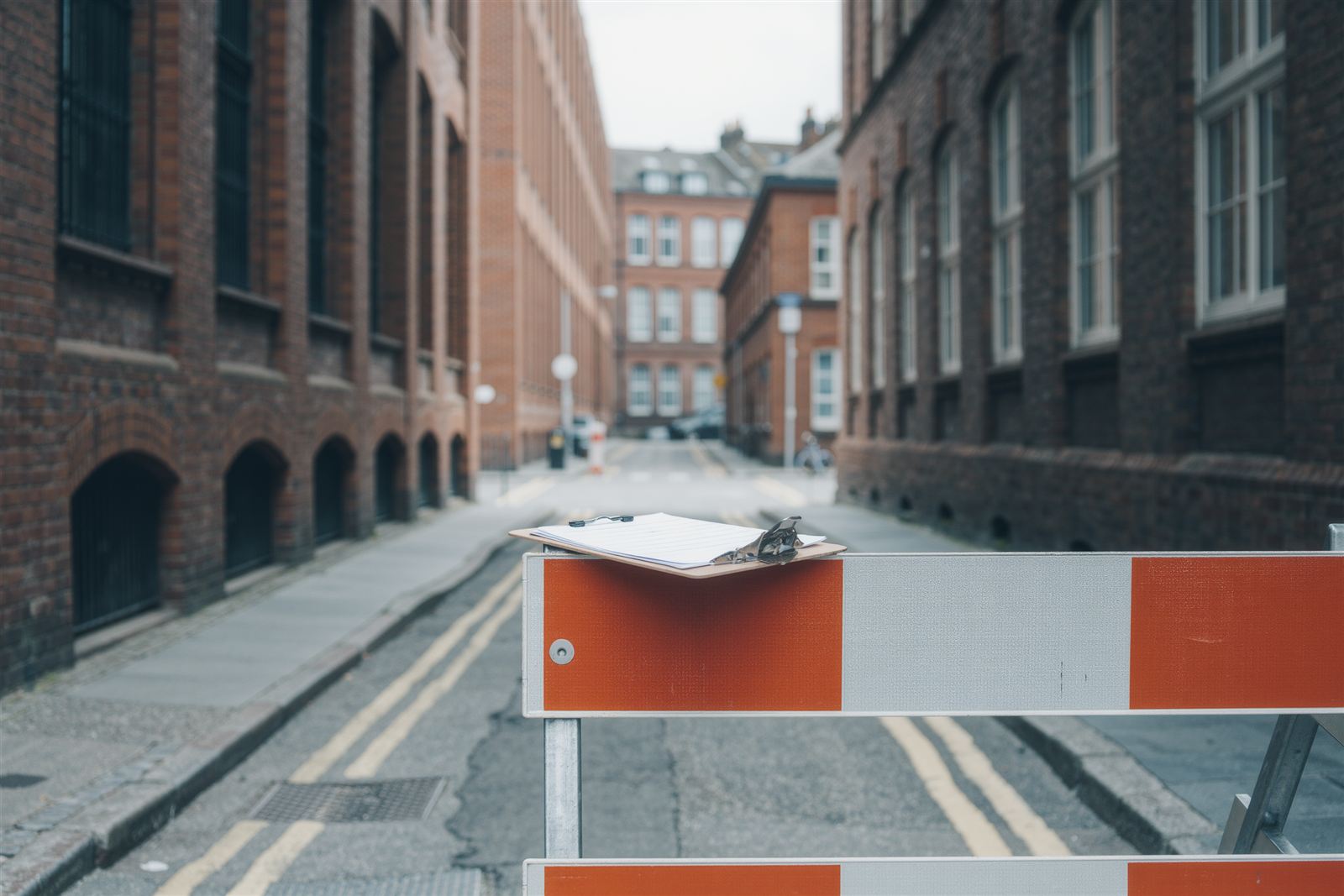
The City does not provide barricades. Residents must provide their own.
Wait for CDOT
A CDOT representative contacts you after approval. Mailed applications go to CDOT, Attn: Block Party Permits, 600 E. Fourth Street, 6th Floor, Charlotte, NC 28202.
Beer, wine and alcohol
Two different offices handle alcohol, and which one applies depends on the kind of event. A CDOT beer and wine permit is required to temporarily close a street for a community-sponsored event where beer or wine is sold, distributed or consumed in public areas. The City's beer and wine permit application is available from CDOT, which can be reached at 704-336-5531.
Private events, such as weddings, use a permit from the North Carolina Alcohol Beverage Commission instead. Ask your venue or caterer first, since many hold the permits that apply.
Banners and Uptown signs
Decorative banners fall under the City's Decorative Sign (Banner) Ordinance, in effect since July 2011. After reading the ordinance and the policies and guidelines, the applicant submits a hold harmless agreement to CDOT. For Uptown displays, Charlotte Center City Partners coordinates the decorative sign program.
A permit checklist
- Confirm the site is public right of way and not private property.
- Choose the date and an alternate at least 30 days out.
- Register on the City's permit site and complete the matching application.
- Arrange $1 million general liability coverage naming the City as an additional insured, plus liquor liability if alcohol is served.
- For a block party, collect resident signatures and buy or borrow barricades.
- Plan separately for tents, stages and alcohol, which other offices permit.
Questions people ask
How far ahead must I apply for a street event?
An application for a public assembly or parade permit must be made at least 30 days before the event begins. A neighborhood block party request also needs a completed petition at least 30 days before the event.
How much insurance does CDOT require?
Commercial general liability of not less than $1 million for bodily injury and property damage, naming the City of Charlotte, its employees, officers and agents as an additional insured. Liquor liability of $1 million per occurrence applies when alcohol is involved.
Does a wedding on private property need a CDOT permit?
No. CDOT does not issue permits for events on private property. A wedding that serves alcohol uses a North Carolina Alcohol Beverage Commission permit, and a large tent may need a fire permit.
Does the City supply barricades for a block party?
No. The City does not provide barricades to block streets, and residents must provide their own. Closures run from one intersection to the next.
Where do banner requests go?
Decorative banner applicants submit a hold harmless agreement to CDOT under the Decorative Sign (Banner) Ordinance. For Uptown displays, Charlotte Center City Partners coordinates.