Three decisions that set everything else
Every Charlotte event begins with the same three choices. The first is the date, because permits and vendors work backward from it. The second is the guest count, because it decides the size of the space, the number of exits and whether a tent needs a fire permit. The third is the site: a private venue, a yard, a park or a public street.
The site matters most for permits. The Charlotte Department of Transportation, known as CDOT, issues permits for events in the public right of way, meaning streets and sidewalks. It does not issue permits for events on private property. A wedding in a hall, a party in a backyard and a corporate reception in a hotel therefore skip the street-use application, but each can still trigger other rules, such as a fire permit for a large tent or an alcohol permit.
Plan for Charlotte's weather
Charlotte has a humid subtropical climate with four distinct seasons. Summers are hot and humid: the normal July daily high is 90.3 degrees Fahrenheit, and there are about 44 days a year with highs at or above 90. Hot, humid days can arrive as early as May and last through September. Winters are short and fairly mild, with a normal January high of 52.3 degrees.
Rain does not follow a dry season. Charlotte receives about 43.6 inches of precipitation a year, spread evenly through the months, and precipitation is generally slightly less frequent in autumn than in spring. For an outdoor event that means shade and airflow in summer, sidewalls or heaters for cooler months and a covered or indoor backup in every season. The tents guide explains when covering the backup space triggers a fire permit.
Pick the kind of space
Charlotte offers four broad kinds of event space, and each one changes the checklist.
- Indoor halls, lofts and converted warehouses. Brick and steel-window buildings in South End and NoDa suit dinners and receptions. The venue handles occupancy and most compliance, so your questions are about load-in, power and curfews.
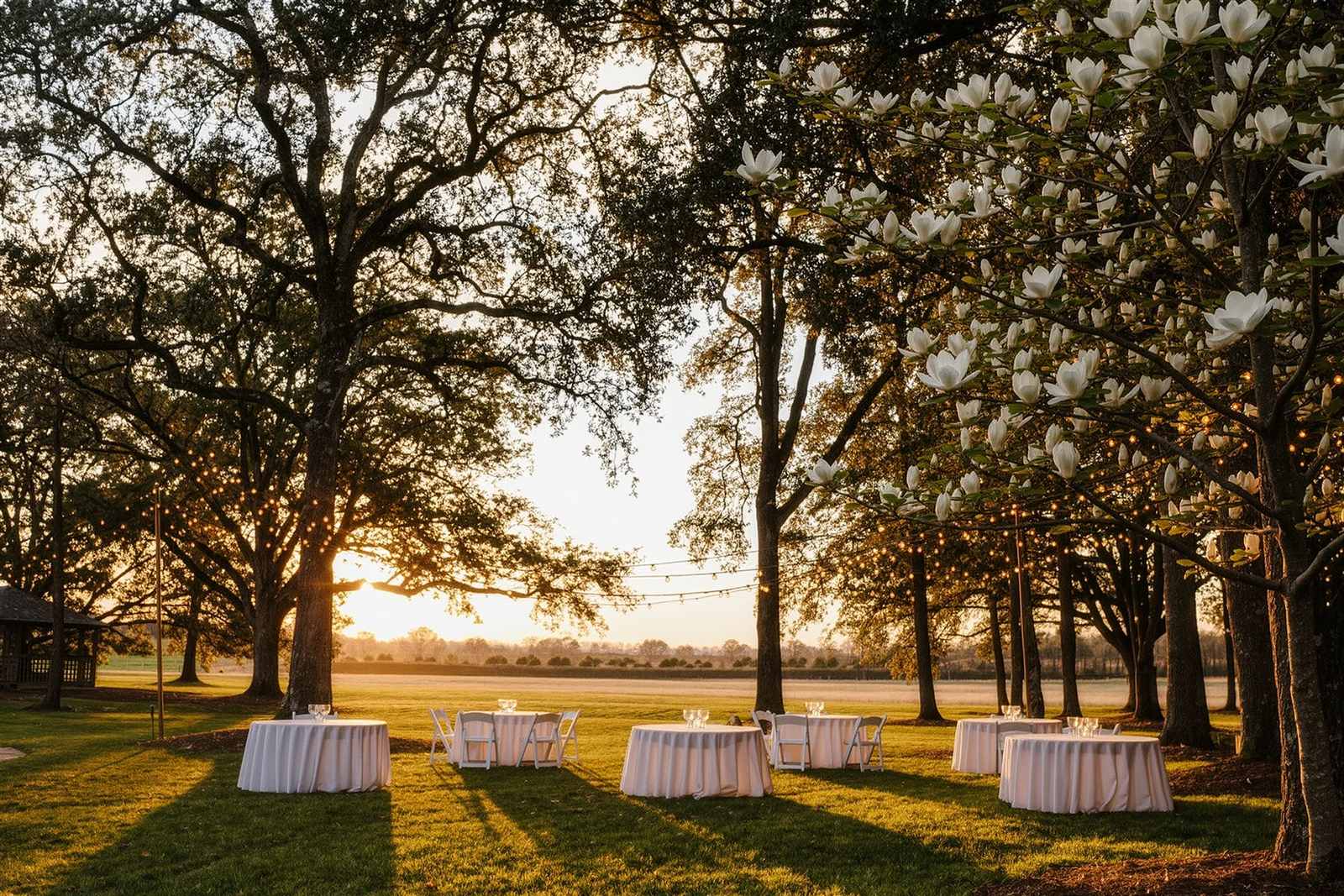
- Lawns, gardens and clubhouse patios. The oak-lined streets of Myers Park and the golf-course edges of Ballantyne suit outdoor dinners. Ask about restrooms, parking, power and a rain plan.
- Hotel ballrooms and meeting rooms. Uptown's hotel core and the University City corridor suit conferences and corporate dinners, with catering and audiovisual support in one place.
- Public streets and sidewalks. A festival, parade or neighborhood block party needs a CDOT permit and more lead time than any other kind of event.
The venue sheets describe each neighborhood in more detail.
Your first-week checklist
Fix the date and a backup date
Choose a primary date and one alternate. Street-use and block party applications need at least 30 days, so the alternate should leave that room.
Set a guest count range
Use a low and a high number. A tent with an occupant load of 50 or more needs a detailed site plan, so the high number matters.
Decide public or private
If any part of the event touches a street or sidewalk, start with the permits guide. If it stays on private property, start with the venue.
Ask who handles alcohol
Private events such as weddings use a permit from the North Carolina Alcohol Beverage Commission. Ask your venue or caterer whether they already hold what you need.
Decide whether to hire help
Read hire a planner or do it yourself before you book vendors one by one.
Who to call
Four offices answer most Charlotte event questions. CDOT handles street closures, block parties and beer and wine permits for closed streets. The Charlotte Fire Department's Fire Marshal's Office, at 500 Dalton Avenue, handles tents, membrane structures and inflatables. Mecklenburg County Code Enforcement handles stages over 120 square feet that will hold ten or more people, along with grandstands. The North Carolina Alcohol Beverage Commission handles alcohol permits for private events. Once you know which of those apply, a planner or venue manager can run the calls for you.
Questions people ask
Do I need a permit for a party in my backyard?
CDOT does not issue permits for events on private property, so a backyard party does not need a street-use permit. A tent over 800 square feet needs approval and an operational permit from the Charlotte Fire Department, and a stage over 120 square feet intended for ten or more people needs a Mecklenburg County Code Enforcement permit.
Can I serve alcohol at a private event?
Private events such as weddings use an alcohol permit from the North Carolina Alcohol Beverage Commission, not a City of Charlotte permit. Ask your venue or caterer first, since many already hold the permits that apply.
What time of year works best for an outdoor event?
Charlotte summers are hot and humid, winters are short and fairly mild, and precipitation is generally slightly less frequent in autumn than in spring. Whatever the season, keep a covered backup.
How early should I start planning?
As soon as the date is set. Street-use and block party applications need at least 30 days, and venues and vendors fill dates on their own schedules, so earlier is easier.